
The Culture of Nepal is rich and unique. The cultural heritage of Nepal has evolved over the centuries.This multi-dimensional heritage encompasses the diversities of Nepal’s ethnic, tribal, and social groups. It manifests in music and dance; art and craft; folklore and folktales; languages and literature; philosophy and religion; festivals and celebration; foods and drinks

Langage and literature
As per the 2011 census, 123 languages are spoken in Nepal. Nepal’s linguistic heritage has evolved from three major language groups: Indo-Aryan, Tibeto-Burman, and Indigenous. The major languages of Nepal (percent spoken as mother tongue) are Nepali 44.6 percent, Maithili 11.7 percent, Bhojpuri 6 percent, Tharu 5.8 percent, Tamang 5.1percent, Nepal Bhasa 3.2 percent, Magar 3 percent, and Bajjika 3 percent. Nepali, written in Devanagari script, is the official national language and serves as lingua franca among Nepalese ethno-linguistic groups.
Religions and philosophy
According to the 2011 census, there are ten types of religion reported in Nepal. Hinduism is followed by 81.3 percent of the population while Buddhism by 9.0 percent, Islam by 4.4 percent, Kirant by 3.1 percent, Christianity by 1.4 percent, and the rest by other religions such as Prakriti, Bon, Jainism, Bahal and Sikhism.
Lord Buddha was born in Lumbini, Nepal. Pashupatinath temple, in Kathmandu, is an old and famous Shiva temple of Hindus. One of the most important aspects of Nepali culture is maintaining religlous harmony and acceptanœ between Hindus, Buddhists, and people of other religions. People of many different religions peacefully co-exist in this country and practice and worship without fear or conflict. This makes Nepal a safe place to travel particularly for religious purposes.


Festivals and celebrations
Nepal is the country of festivals with some part of the country or the other celebrating some festivals during every day of the year. Festivals may be, to herald the different seasons, to mark the beginning or end of the agricultural cycle, to mark the national events or linked with the remembrance of the departed soul, or just family celebrations. Dashain, celebrated in commemoration of the victory over demons, is observed by majority of the population of Nepal. Tihar or Deepawall, Chhath, Lhosar are other major festivals of Nepal. ln the Mount Everest region, Sherpas celebrate Mani Rimdu, for the good of the world.
Dance and music
The dance traditions of Nepal are very ancient, originated in the abode of Lord Shiva. With altitudes and ethniticy, the dances of Nepal slightly change in style as well as in the costumes. Accompanying music and musical instruments change in tune with the themes, which revolve around topics like harvesting of crops, marriage rites, war stories, a lonely girl’s yearning for her love, and several other themes and stories from everyday life in the villages.


Food and Drink
Nepali food is often simple but tasty. The food varies by region, because the availability of food changes with climate and altitude. The famous food is Dal (Lentils), Bhat (Rice), Tarkari (Vegetables) and Khasiko Masu (Goat meat). MoMo (dumplings) and Dhindo (Millet) are equally popular food Items.
Architecture and technology
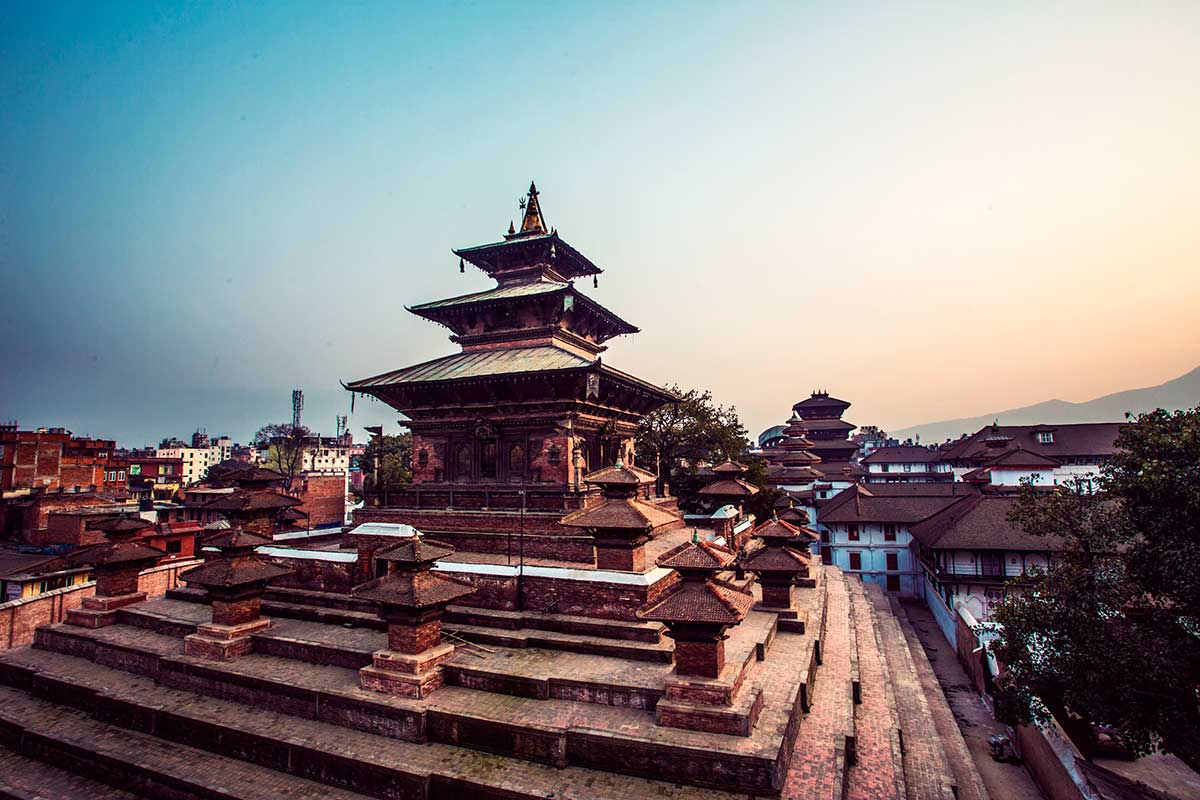
The country is full of fascinating architectural replicas and ancient architecture. Several of the sites are also classified and protected under UNESCO heritage sites. lt is useful to consult this inventory to find sites to visit when traveling in Nepal.

